


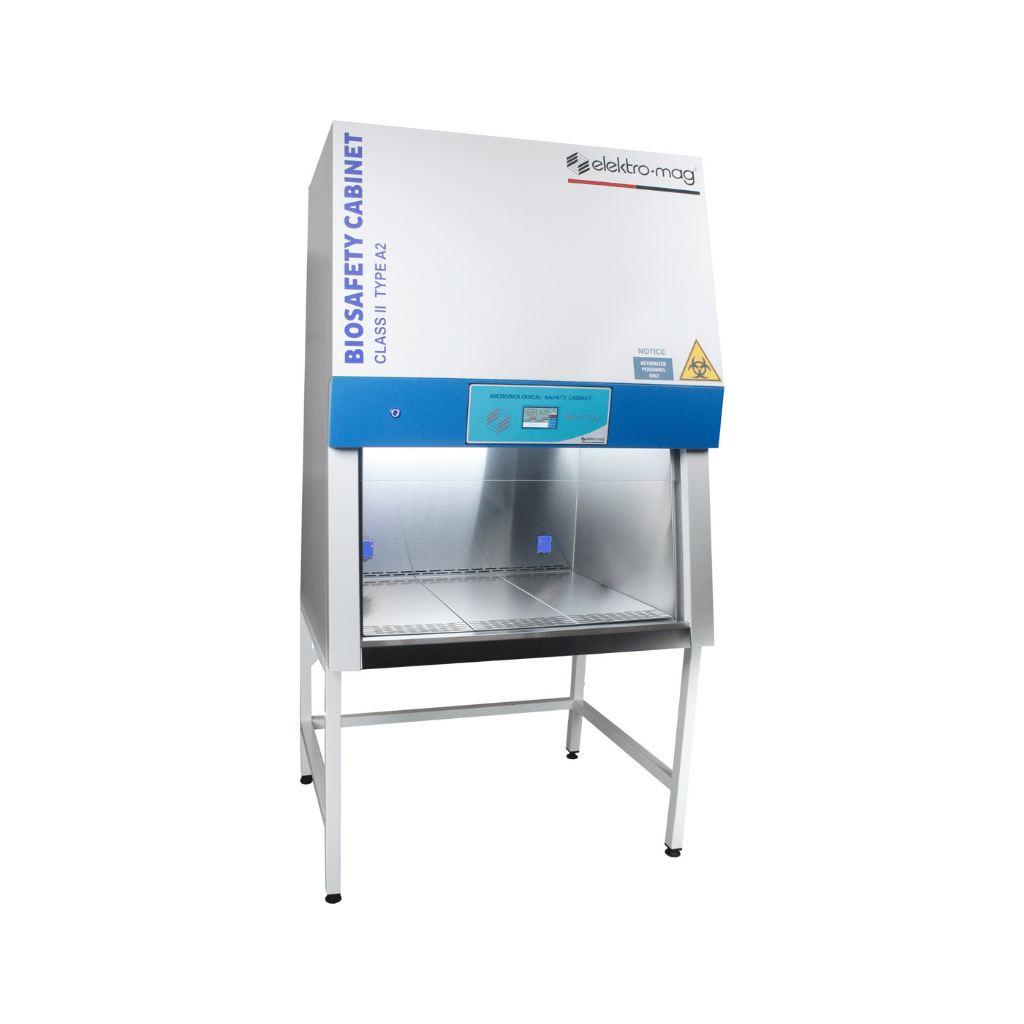
A Bio Safety Cabinet, also called a biological safety cabinet or bio cabinet safety unit, is a primary engineering control designed to help reduce exposure to aerosols and splashes during microbiology and life science workflows. In many labs, the bio safety cabinet is the central workspace for safe sample handling, supporting cleaner processes and more controlled conditions compared with open-bench work.
Bio safety cabinets are commonly chosen based on cabinet class, airflow concept, filtration, and the intended application. For example, users searching for class 2 bio safety cabinet solutions often compare protection goals, layout, and the type of work performed. Others may evaluate bio safety cabinet class III options when they need higher containment through a sealed, glovebox-style design.
Bio Safety Cabinet vs Laminar Flow
A frequent question is the difference between laminar air flow and bio-safety cabinet level 2. A laminar flow cabinet is typically focused on product protection through HEPA-filtered airflow, while a bio safety cabinet is designed for broader risk control in biological workflows. If you are comparing bio safety cabinet laminar flow designs, look closely at airflow direction, intake and exhaust paths, and how the cabinet manages aerosols at the front opening.
Types of Bio Safety Cabinets
There are several configurations to consider when browsing different types of bio-safety cabinets, including:
-
Class II bio safety cabinet options (common for routine microbiology and cell culture workflows)
-
Bio safety cabinet class III designs (sealed cabinets with glove ports for maximum containment approach)
-
Layout variations sometimes described as horizontal bio safety cabinet or vertical airflow concepts (terminology is used inconsistently across markets, so always confirm the airflow diagram in the datasheet)
If you are shortlisting models, a practical approach is to map the workflow to cabinet class, then verify airflow and filtration characteristics, and finally compare ergonomics, noise, lighting, and service access.
Key Features to Compare
When evaluating bio-safety cabinets key feature lists, the most common category-level differentiators include:
-
HEPA filtration stage(s) and filter access for maintenance
-
Airflow stability and monitoring or alarm systems
-
Front opening / sash design and the front grille of bio safety cabinet (kept unobstructed during work)
-
Stainless steel bio safety cabinet work surfaces and interior liners for durability and cleaning
-
Ease of decontamination and routine wipe-down workflows
-
Documentation support, such as a log sheet for bio safety cabinet in microbiology lab (maintenance and usage tracking)
Typical Use Cases
Labs and clinical settings may use a bio safety cabinet for a broad range of tasks such as culture handling, aliquoting, and sample preparation. Some users also look for application-specific setups such as bio safety cabinet for chemotherapy workflows. Requirements can vary widely by institution, local regulations, and risk assessment, so selection should be tied to your internal safety procedures.
For method-based searches like antibacterial activity experiment in bio safety cabinet, users typically want a controlled workspace that supports consistent handling and helps reduce contamination and exposure risks during plating, inoculation, and sample transfer steps.
How to Work in Bio Safety Cabinets
For teams asking how to work in bio safety cabinets, category-level best practices usually include:
-
Keep the front grille clear to maintain intended airflow
-
Organize materials to minimize arm movement across the opening
-
Use slow, deliberate motions to reduce airflow disruption
-
Follow your lab’s PPE and decontamination procedures
-
Record usage and service actions in a cabinet log
(Always follow your site SOPs, risk assessment, and local biosafety guidance.)
Selecting Suppliers and Manufacturers
If you are comparing bio safety cabinet suppliers or looking for a manufacturer of bio safety cabinet, focus on after-sales service capability, filter replacement and certification support, spare parts availability, warranty terms, and documentation quality. Buyers often shortlist vendors who can support installation, periodic testing, and ongoing maintenance in their region.
Images and Category Assets
If you need bio-safety cabinet images or a bio safety cabinet banner for your category page, use clear visuals that show the front opening, work zone, and control panel. Avoid misleading imagery that suggests a cabinet class or certification that is not documented for the listed products.
Explore Bio Safety Cabinets in This Category
Browse our selection to compare cabinet classes, sizes, and configurations for your lab workflow. If you are unsure whether you need a Class II or Class III approach, align selection with your documented risk assessment and the type of biological material handled.